Providing care for an elderly loved one can be rewarding but also demanding. Caregiving duties can become emotionally and physically taxing because many people may have to juggle supporting loved ones with other responsibilities or work. Family members may eventually discover that residents require more assistance than they can offer in a setting where their loved one's medical and personal requirements can be supported around the clock.
Residents who require short-term assistance while their regular carer takes a break receive support through respite care. When illness or an unforeseen circumstance needs more support, it can be planned more quickly. Families can determine whether a brief stay would be beneficial for their loved one by learning about respite care at a Somerset care home.
In this blog, we will explore what respite care involves and how it can support both you and your loved one.
What Is Respite Care?
Respite care is care arranged for a short period of time. It ensures older adults can still receive high levels of support while their main carer takes a break, in a safe and comfortable environment where residents receive accommodation, nutritious meals and opportunities for socialisation. For many families, it also provides reassurance that their loved one is well cared for by experienced carers while they take time to tend to their other responsibilities.
Depending on the resident's needs, a respite stay may last for a few weeks or longer. Following a hospital stay or illness, individuals might require emergency respite care, while others may benefit from a scheduled break that allows their carer to relax and take care of external responsibilities.
Respite care is provided with the same level of care and expertise as long-term care, despite being temporary. Throughout their stay, residents receive individualised support tailored to their specific needs, supporting them to feel safe and at ease.
The Benefits of Respite Care
Respite care is beneficial to both residents and carers. Families can have peace of mind knowing that their loved one is secure and supported by reliable, trained staff. Because of this, families will be able to concentrate on their own well-being without having to worry about whether the proper care is being given. A short stay in a care home can provide residents with opportunities for social interaction they may not have had at home and high-quality, person-centred support in a home-like environment where their health needs come first.
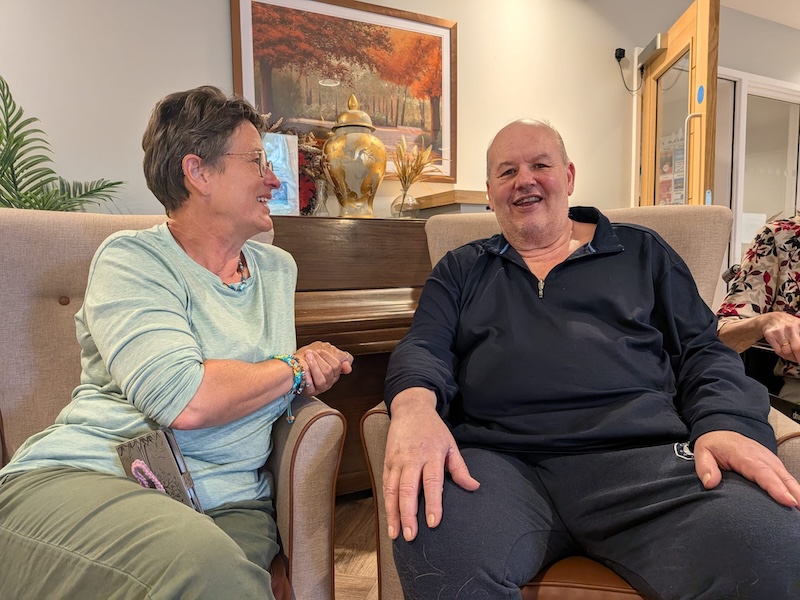
Many residents discover that a change of scenery where they are supported by qualified staff makes them feel more comfortable as they adjust to a new home-from-home setting, particularly when the care team takes the time to understand their needs and preferences. In addition to a regular activities program centred around their interests and hobbies, care homes provide residents with a range of in-house amenities to enjoy at any point throughout their stay. Feelings of loneliness are lessened, and emotional health is promoted by engaging in daily activities and socialising with other residents.
A respite stay can also be used as a trial period to decide if a particular care home is the best long-term fit for an individual who may need more consistent care. Before making a long-term commitment, a trial period gives individuals thinking about moving into a care home the chance to experience daily life for themselves. While staff can learn more about residents' preferences and support needs, residents can become better acquainted with the accommodation, routines, care team and other residents. This allows the resident and their family to make plans with more clarity and confidence by having time to ask questions and determine whether the home feels right.
Types of Respite Care Available
Many families find respite care services a reassuring option because, no matter their needs, they can receive support. Some people benefit from a short stay in a care home, where they may spend time socialising with like-minded individuals and feel connected while receiving round-the-clock support. This can improve emotional wellbeing, especially for elderly adults living alone who may not socialise often. If an individual in need of assistance would prefer to remain in their own home, they may be eligible for live-in support, where carers come to assist with everyday responsibilities.
Some care homes will also provide emergency respite care for individuals who require care quickly. This is especially crucial when residents or carers are managing unanticipated illnesses, hospital stays, or other obligations at short notice. Even in situations where quick arrangements are required, emergency respite care guarantees that individuals will receive the best quality support available.
What Is Included During a Respite Stay at a Care Home in Somerset?
Regardless of the duration of their stay, respite residents receive access to the same level of care and activities as longer-term residents. Every resident will have their own private bedroom, daily nutritious meals prepared according to their dietary preferences and access to communal areas for socialising with others. Personal care is also provided, including assistance with clothing, washing, mobility, and medication management.
A care plan is an important tool developed with residents and their loved ones prior to their stay in a care home to ensure a person-centred approach to care. A resident's preferences, medical needs, daily routines, life history and dietary needs will all be included in this care plan. Regardless of what type of care residents require, the care professionals are on hand to ensure they feel rested and supported throughout their entire stay.

Arranging Respite Care at a Somerset Care Home
Respite care begins with finding out how much support a loved one needs, which involves a needs assessment carried out by the home or, in some cases, by the local government or council. After this, you should look at local care homes that offer respite care, schedule tours to ask questions and get a firsthand look at their surroundings and how the staff cares for the residents, giving you peace of mind that your loved one's requirements can be met.
In order to avoid having to worry about seeking alternative services in the event of unanticipated situations, it is also crucial to find out if the home offers emergency respite care options.
Respite Care Tailored to Individual Needs at Rowan Park Care Home
At Rowan Park Care Home, our care services include nursing care, dementia care, residential care, respite care, and palliative care within a supportive environment. Our dedicated team offers personalised respite care tailored to each resident’s individual needs, helping them feel safe and respected throughout their stay.
Our respite care services can support residents who need temporary care after illness or a hospital stay, as well as families looking for a planned break from caring responsibilities. We also welcome residents who would like to experience life in a care home before considering longer-term support. Our Somerset care home offers a range of daily routines and social opportunities, helping residents settle in and enjoy meaningful time with others.
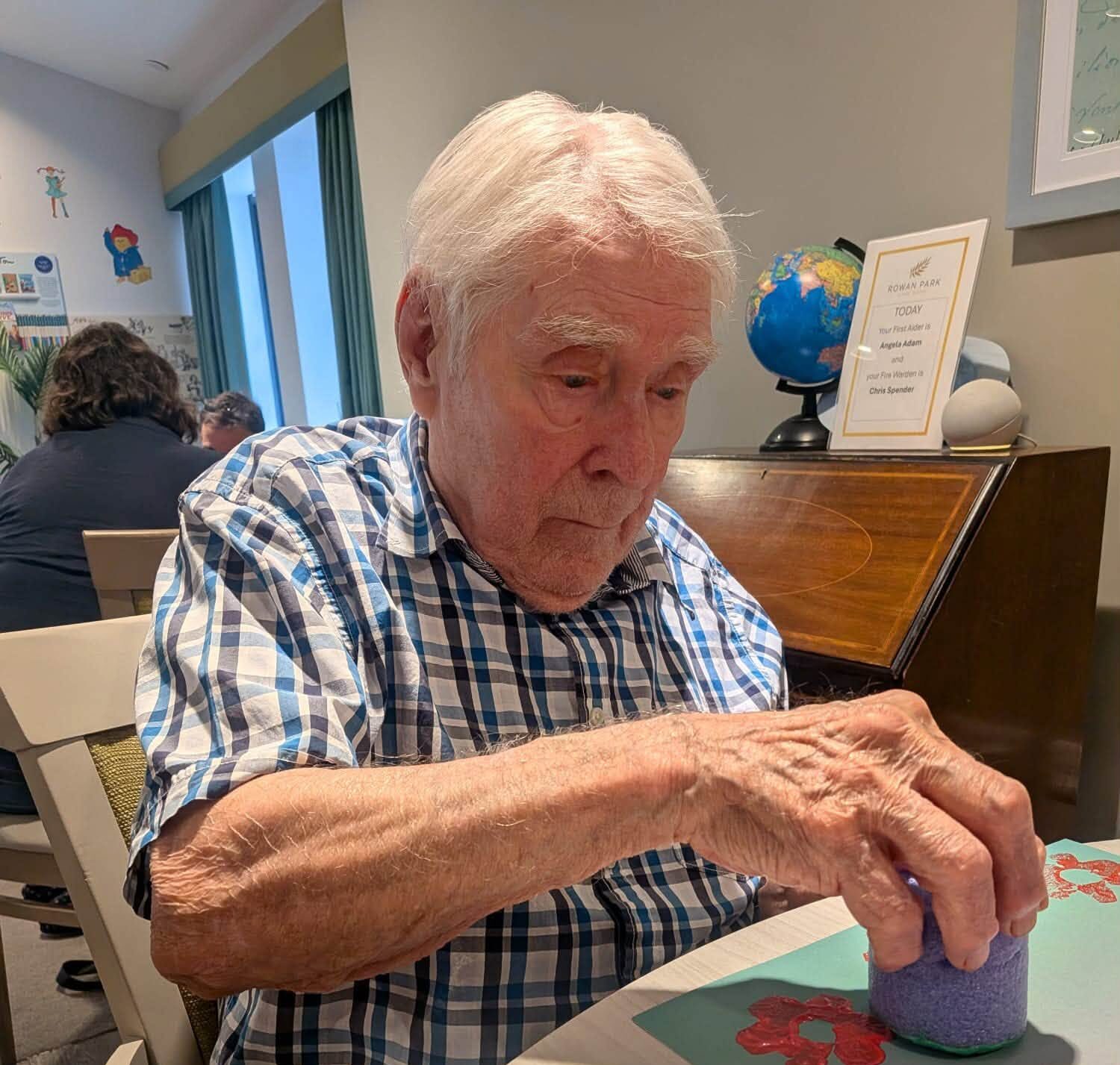
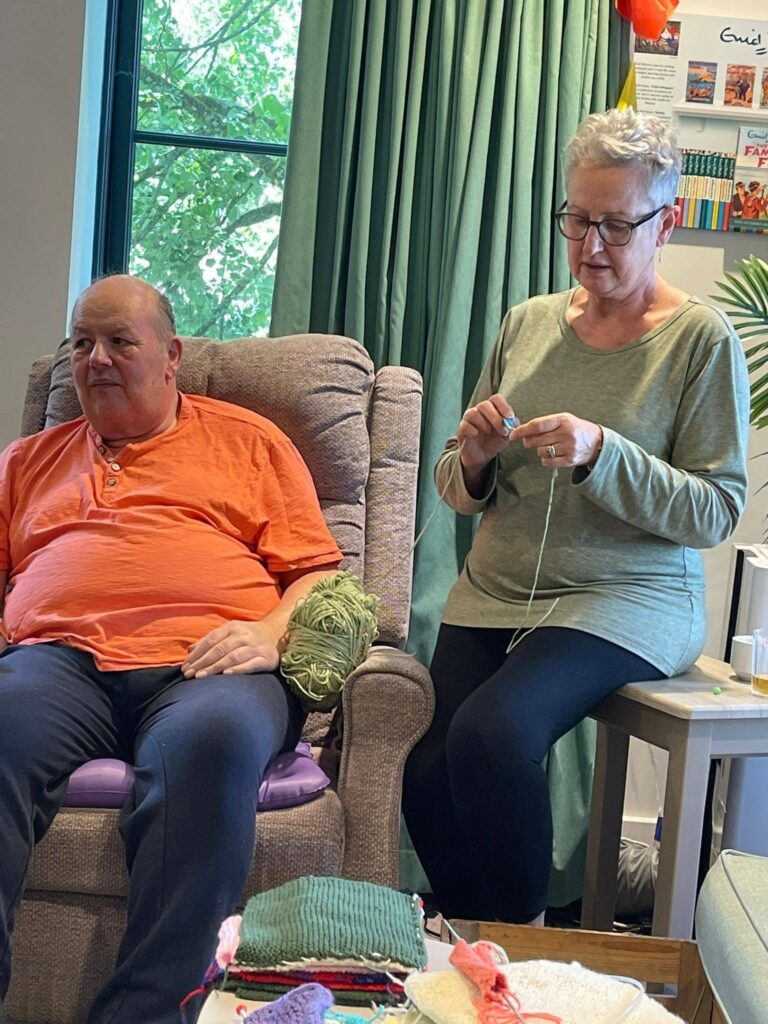
Our respite residents are welcome to enjoy everything Rowan Park has to offer, from our comfortable en-suite bedrooms and delicious fine dining to our hair salon and spa, cosy cinema room and beautifully landscaped gardens. We also provide a varied activities programme, along with arts and crafts sessions, giving everyone the chance to relax and make the most of their stay with us. Whether joining us for a short break or a trial stay, we ensure our respite residents feel at home and receive the same high standard of care as our permanent residents.
For families seeking respite care in Somerset, we offer the perfect blend of exceptional care and luxury surroundings. To find out more, contact us today or book a visit. We would be pleased to welcome you and answer any questions about how we can support you or your loved one.