How Long Can You Stay in a Care Home?
When the time comes to explore care for themselves or a loved one, one of the most common questions families ask is how long someone can stay in a care home. Some residents move to a care home temporarily for short-term support, while others decide to make it their long-term home, where they can receive consistent support and peace of mind for as long as they need.
Understanding what's available can help families make informed decisions that feel right for their loved one. In this blog, we will explore the average length of stay in a care home to provide further understanding and clarity when exploring options.
Length of Stay for Respite Care Services
Respite care is a short-term care type, often lasting between 3 weeks and a couple of months. It is beneficial for those recovering from illness, an operation, or when regular carers need time to rest. This type of care is also an ideal way for people to experience life in a care home before deciding if long-term care might suit them.
During a respite stay, residents receive the same high-quality care and attention as long-term residents. Skilled care home staff develop individualised care plans that reflect their specific needs and preferences. This includes support with personal care, meals, mobility, or medication management.
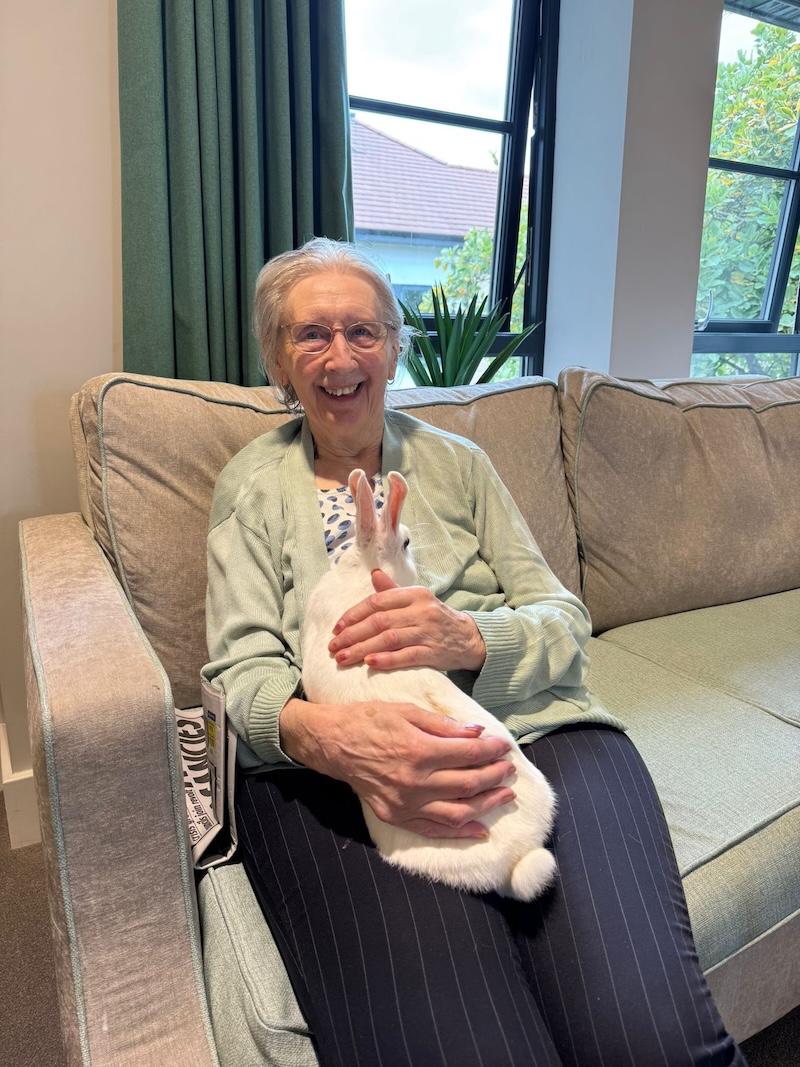
Respite care also offers vital social opportunities. Many residents enjoy taking part in activities, building new friendships and experiencing a true sense of community. These interactions can support rehabilitation and improve overall well-being, which gives residents and families reassurance that professional support is available whenever they need it.
Length of Stay for Long-Term Care
Long-term care is for people who need consistent care and support with daily living. For many residents, this becomes their home away from home. Care homes provide a safe and familiar space where residents can live comfortably and receive care tailored to changing health conditions.
There is no set time limit for how long a person can stay in a care home when they choose long-term support. Each resident remains for as long as they need, whether they need residential, nursing, dementia, or palliative care. This type of care brings peace of mind to residents and families alike, knowing that support and a home for life are available.
Many care homes adopt a person-centred support approach, meaning the way they provide care is fully centred around residents and their individual care needs. They create individual care plans that are regularly reviewed to ensure that services always match the resident’s changing needs.

Providing a Continuum of Care
There are different types of care homes that someone could reside in, including a residential care home, assisted living facility, nursing home and dual registered care home. If someone were to reside in a residential care home or assisted living facility for long-term care and their needs progress to a complex level, they would need to find a nursing home or dual-registered care home to move into.
A dual-registered care home offers both nursing and residential care, meaning it can provide a continuum of care. This means that the care provided can evolve as a resident's health or lifestyle needs progress. For example, if a resident moves in for residential care but a few years down the line requires dementia or nursing care, they don't need to worry about moving elsewhere, as the team can cater to their changing needs.
The continuum of care model allows residents to feel secure knowing they can remain in familiar surroundings for the entirety of their later life. This continuity helps reduce stress and confusion, especially for those living with dementia or complex health needs. Families also gain confidence knowing that their loved one’s care can progress smoothly without disruptive transitions or loss of community.
The Role of Care Plans in Providing Individual Support
Every resident who moves into a care home will receive a personalised care plan created specifically for their health needs and lifestyle preferences. This plan is the foundation of daily support and guides care home staff in delivering effective and consistent care.
Care plans detail everything from dietary preferences and mobility assistance to medical conditions and hobbies. They are reviewed regularly by care home staff, other healthcare providers and family members to ensure they remain accurate and responsive to the resident’s unique needs.
Having a personalised plan also helps residents feel more in control of their lives. It ensures that support focuses on what matters most to them and promotes independence while the care teams take care of the rest.
The Role of Family and Community in Long-Term Care
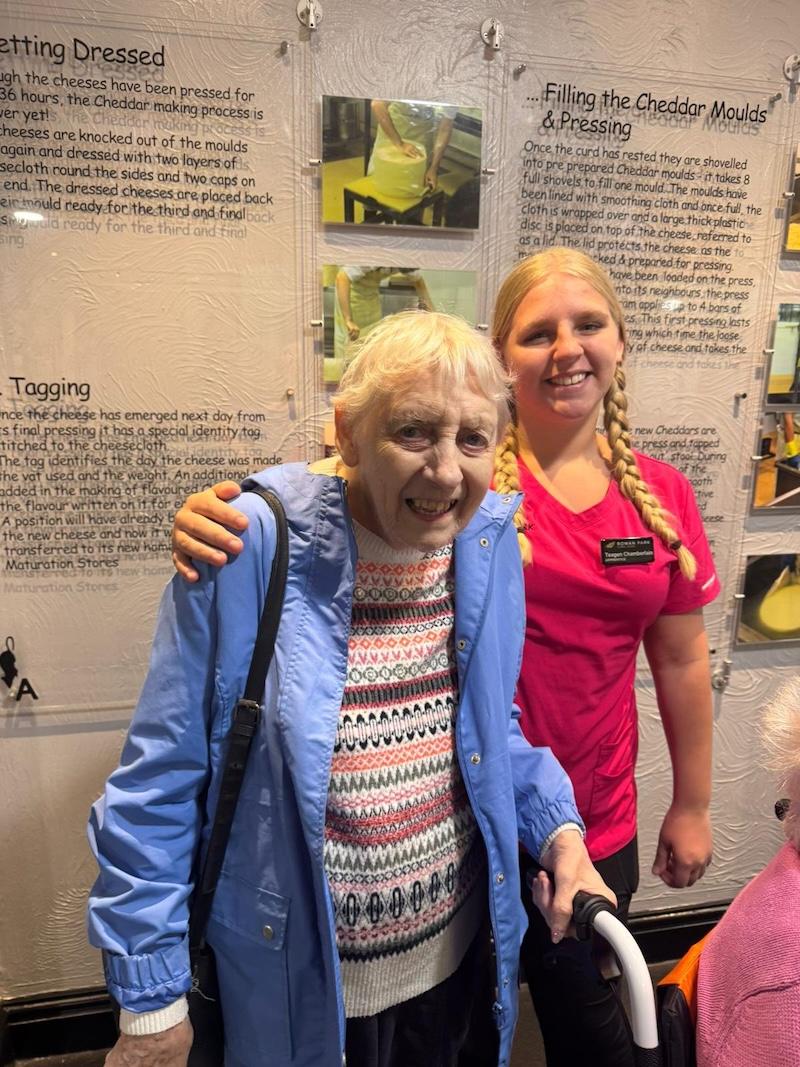
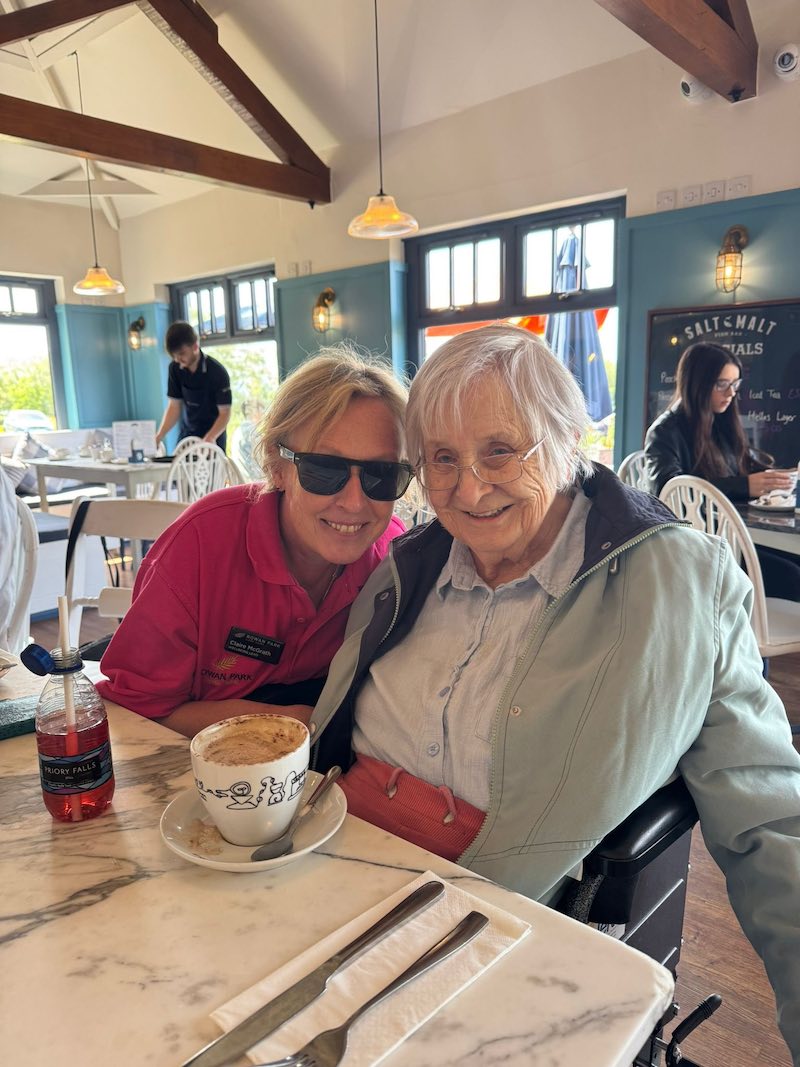
Care homes understand the value of families and encourage regular contact and visits, as they help to maintain strong relationships and a sense of belonging for residents. Many care homes also build close ties with the local community, offering social events and outings that connect residents to the world beyond the home.
Family involvement ensures that care decisions remain transparent and collaborative. Families are always kept up to date with any changes in their loved ones' care and are welcome to visit at any time. This open communication strengthens trust between families, residents and the care team.
The Benefits of Long-Term Care in a Dual-Registered Care Home
The continuity offered by long-term care brings many benefits for both residents and their families. Residents enjoy access to familiar staff who understand their routines and preferences, while families have peace of mind knowing professional support is available at all times. The care being provided is always consistent across shift patterns and ensures that health and emotional well-being are the top priority.
A continuum of care also ensures early detection of changing health conditions, as care home staff are familiar with each resident’s typical behaviour and health patterns. This means interventions can be introduced promptly and support better health outcomes.
Ultimately, the reassurance of knowing that care can continue without interruption creates a sense of security, removing the worry of future relocations and allowing residents to focus on living life to the fullest.


A True Home For Life at Rowan Park Care Home
At Rowan Park in Radstock, residents can stay for as long as they need, whether that is a short period of respite or a permanent home for life. Our dedicated care team provides compassionate, high-quality care that adapts to each person’s changing needs through a complete continuum of care.
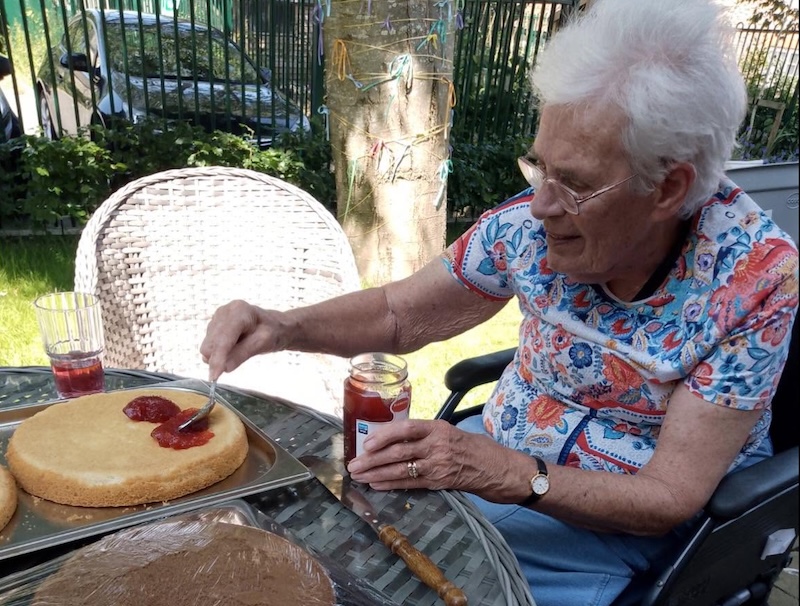
We are proud to offer residential care, nursing care, dementia care, respite care, and end-of-life care within one home, allowing residents to stay in familiar surroundings supported by people they know and trust. Our personalised care plans ensure each resident receives the right care designed around their preferences and wellbeing. When residents move in with us, this doesn't mean that everything needs to change. We encourage independent living and for residents to continue doing the things they love for their entire care journey with us, as we can take care of the rest.
For families seeking reassurance and continuity, our care home in Radstock provides the stability and sense of belonging that every individual deserves. Book a tour today and see for yourself what makes our home so special. We can't wait to meet you.